On May 30, 2026, our ceo and founder Julie Hemels-Hoff has written this article for Frankwatching. This is the English translation. You can find the article in Dutch on the Frankwatching website.
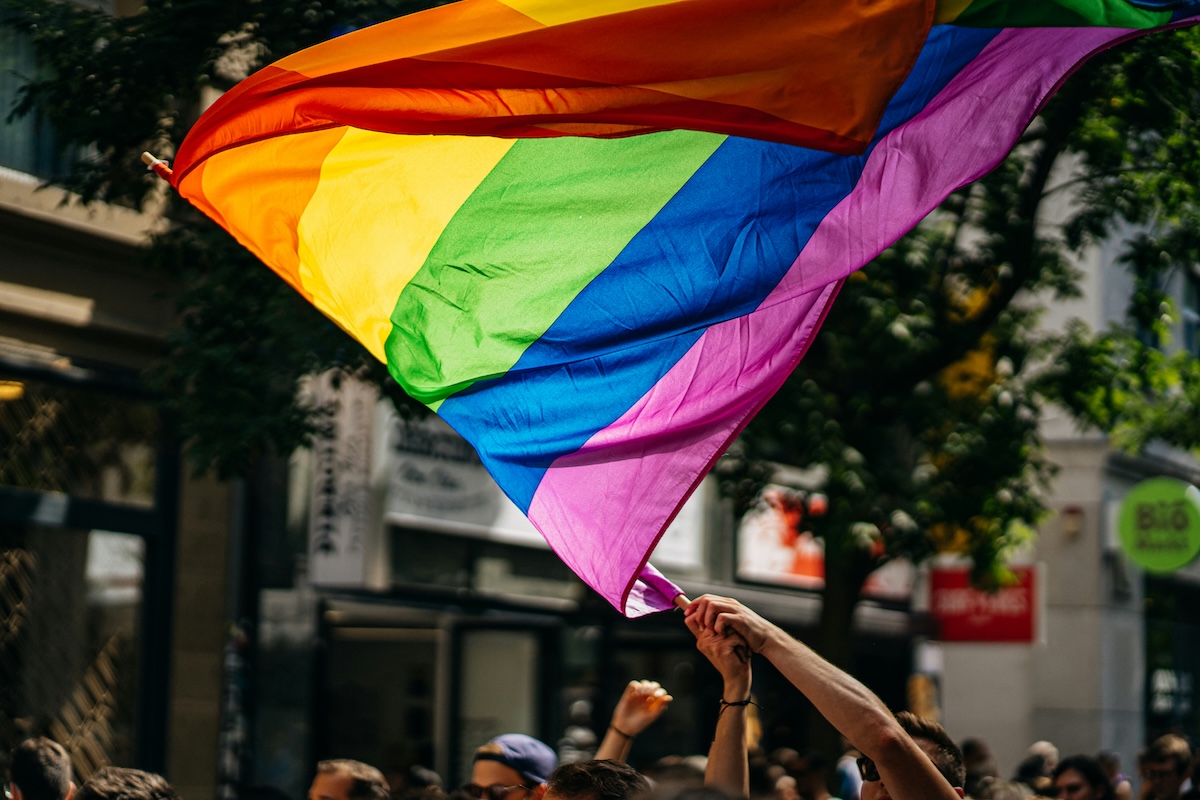
Summer is almost here. With major Pride events coming up, festivals, the Pride March, and other festivities, many brands are showing their support for the LGBTQ+ community. Some do this with campaigns that make a real impact; others primarily with an eye on their own bottom line. The latter phenomenon is called pinkwashing (or rainbow-washing). At the same time, a growing number of brands are pulling back entirely out of fear of backlash. Both responses, performative participation or complete silence, fall short. Below are the do’s and don’ts for an effective and authentic Pride campaign.
Data and political developments
We are all witnessing how America is setting the tone on topics like diversity and inclusion, making companies more cautious about how they speak out. According to the 2025 Brands, Pride & Advertising research by Publicis NL, as many as 72% of brands worldwide pulled their Pride campaigns out of fear of political risks and backlash.
Yet now, more than ever, is the time for brands to show what they stand for. Research by Edelman, the 2025 Trust Barometer, shows that staying silent on social issues poses a significant risk to brand reputation and bottom line: more than half of consumers say they are less inclined to purchase from, or lose trust in, brands that take no position on at least one societal issue.
Don’ts for a Pride campaign
Focusing only on the most visible groups
Marketing content often fails to represent the full diversity of the LGBTQ+ community. Generally, cisgender gay men are most visible, while bisexual, trans, non-binary, and intersex people appear far less frequently in marketing. This applies to Pride campaigns too.
A safe, politically correct message
Pride began in 1969 with the Stonewall riots — a protest for equal rights for the LGBTQ+ community. Yet it has come to be associated with festivals and people dancing on boats. That’s part of it, but not all of it. It’s important to keep talking about Pride’s history and where it comes from. It is not yet a given that queer people can simply be who they are. In more than 65 countries, being queer is still a criminal offence. Consumers will see through a superficial message like “love is love” and push back against it — especially now, when the rights of queer and trans people are under such pressure.
Only running LGBTQ+ campaigns in June
In June, many logos and banners switch to rainbow colours. But on 1 July, or just after Pride Amsterdam, they revert to brand colours and the company says nothing more about queer rights for the rest of the year. This is not allyship. It’s performative. Your employees and customers see it that way too. According to research by Harvard Business Review, LGBTQ+ people are even willing to pay 20% more for products from companies that speak out year-round.
Do’s for Pride campaigns
Company culture and behaviour
Thinking of launching a campaign during Pride? Before you start developing it, ask yourself a few questions, including: “Do we have a company culture that is open and safe for LGBTQ+ colleagues?” and “Does this fit the company’s core values?” Only when both answers are “yes” can a Pride campaign be authentic.
Representation in front of and behind the camera
Equally important is that the LGBTQ+ community is represented both on screen and behind it: in direction, production, casting, and strategy. This makes the campaign authentic and prevents stereotyping.
Give back to the LGBTQ+ community
There are many examples of Pride campaigns that generate increased revenue without a single cent of those proceeds going back to the community itself. Donate a percentage of the extra revenue to an organisation that advocates for LGBTQ+ rights, such as COC Nederland, Transvisie, or Hivos.
Responding to criticism
Transparency and accountability are essential to responding well to potential criticism when your company publishes a Pride campaign. The message may not land the way you intended or hoped. Acknowledge valid criticism and show empathy. Be transparent about the steps you’re taking to learn and adjust your actions in the future to prevent similar backlash next time. Always stay true to the brand story and stand behind your core values.
The 2025 HEMA Pride Collection
In 2025, Dutch retail chain HEMA developed a Pride collection in collaboration with COC Nederland. The chain sold t-shirts, pins, stickers, bags, and other limited-edition items centred around Pride. Measuring this campaign against the do’s listed above, it stands out as a great example of an authentic and effective Pride campaign.
HEMA is known in the Netherlands as a progressive brand, describing itself as modern, cheerful, understated, bold, and open. They don’t limit their LGBTQ+ campaigns or marketing to June or other related dates. Visit their stores and you’ll see diverse queer people, including trans people, represented in their marketing. That visibility matters especially at a time when their right to exist is under pressure.
For the creation of their 2025 Pride collection, they also considered representation behind the scenes, collaborating with queer designer Paul Goos to shape the collection.
The cherry on top is their choice to donate a percentage of revenue to COC Nederland, making a real contribution to a diverse and inclusive society. COC Nederland advocates for equal rights and opportunities for the LGBTQ+ community.
In short, what makes the HEMA Pride collection successful:
- It aligns with their core values
- They involved queer creators in developing the collection
- They donate a percentage of revenue to an organisation that advocates for LGBTQ+ rights
- They embed queer representation in their everyday marketing
A wonderful example and inspiration to get started on your own effective and authentic Pride campaigns.